













Embarking on the journey to homeownership is each thrilling and overwhelming, particularly when navigating the myriad of financing choices out there. One of the crucial common routes is the standard mortgage, recognized for its flexibility and enticing phrases. Should you’re contemplating a traditional mortgage, this information will stroll you thru the whole lot you want to know to make an knowledgeable choice. Let’s dive in!
1. What’s a Typical Mortgage?
A traditional mortgage is a house mortgage that isn’t insured or assured by any authorities entity, such because the Federal Housing Administration (FHA), the Division of Veterans Affairs (VA), or the USDA Rural Housing Service. These loans are sometimes provided by non-public lenders, together with banks, credit score unions, and mortgage corporations.
Typical mortgages are available in two fundamental varieties:
- Conforming Loans: These meet the rules set by Fannie Mae and Freddie Mac, together with most mortgage limits. For 2024, the conforming mortgage restrict for a single-family house is $726,200 in most areas, however it may be increased in high-cost areas.
- Non-Conforming Loans: These don’t meet the Fannie Mae and Freddie Mac pointers and are sometimes called jumbo loans. They’re sometimes used for higher-value properties.
2. Benefits of a Typical Mortgage
Typical mortgages supply a number of advantages that make them a well-liked selection amongst homebuyers:
- Decrease Curiosity Charges: Debtors with robust credit score scores and a strong monetary historical past usually qualify for decrease rates of interest in comparison with government-backed loans.
- Versatile Phrases: Typical loans include numerous time period lengths, sometimes starting from 10 to 30 years, permitting debtors to decide on a compensation schedule that matches their monetary state of affairs.
- No Mortgage Insurance coverage for Massive Down Funds: Should you can put down no less than 20% of the house’s buy value, you may keep away from paying non-public mortgage insurance coverage (PMI), which may prevent a big quantity over the lifetime of the mortgage.
- Number of Property Sorts: Typical loans can be utilized to buy numerous kinds of properties, together with main residences, second properties, and funding properties.
3. Qualifying for a Typical Mortgage
Qualifying for a traditional mortgage sometimes requires a stronger monetary profile than government-backed loans. Listed here are the important thing standards:
- Credit score Rating: Most lenders require a minimal credit score rating of 620, however a better rating (700 or above) may help you safe higher rates of interest.
- Down Fee: Whereas you may get a traditional mortgage with as little as 3% down, a down cost of 20% or extra may help you keep away from PMI and scale back your month-to-month funds.
- Debt-to-Revenue Ratio (DTI): Lenders want a DTI ratio of 36% or much less, although some might settle for increased ratios with compensating elements.
- Steady Revenue and Employment: You’ll want to offer proof of steady revenue and employment, sometimes by pay stubs, tax returns, and financial institution statements.
4. The Utility Course of
Making use of for a traditional mortgage includes a number of steps, from pre-approval to closing. Right here’s a step-by-step overview:
- Pre-Approval: Earlier than you begin home searching, get pre-approved by a lender. This includes a preliminary evaluation of your monetary state of affairs to find out how a lot you may borrow.
- Home Looking: With a pre-approval letter in hand, you can begin in search of a house inside your finances.
- Making an Supply: As soon as you discover the right house, you’ll make a suggestion to the vendor. If accepted, you’ll transfer on to the mortgage software course of.
- Mortgage Utility: Full a full mortgage software together with your lender, offering all vital documentation.
- Appraisal and Inspection: The lender will order an appraisal to find out the house’s worth, and also you must also have the house inspected to uncover any potential points.
- Underwriting: The lender’s underwriter will evaluation your software, monetary paperwork, and the appraisal report to make sure the whole lot meets their standards.
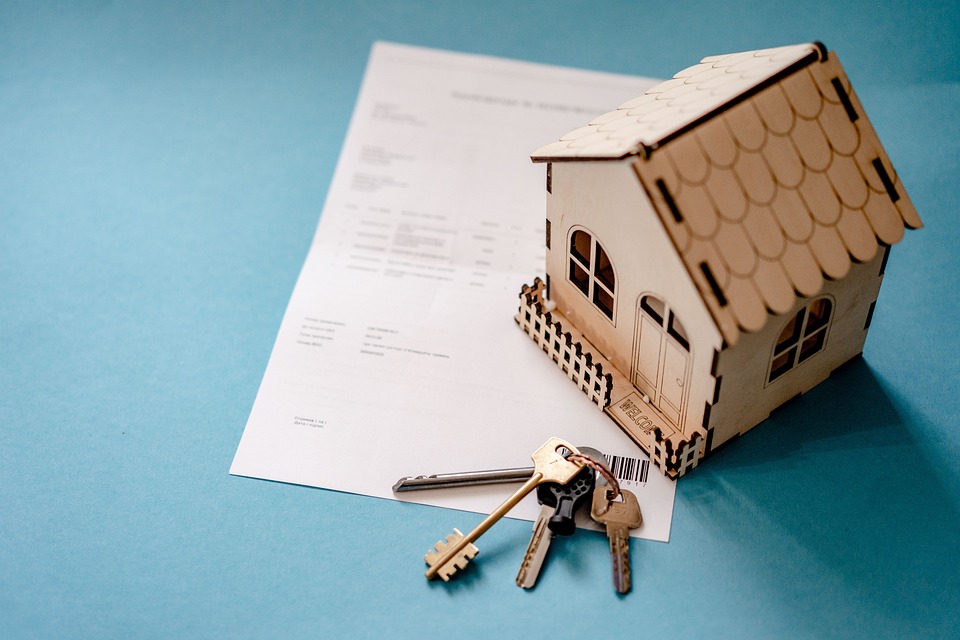
- Closing: If the underwriter approves your mortgage, you’ll proceed to closing, the place you’ll signal the ultimate paperwork and pay any closing prices. As soon as accomplished, you’ll obtain the keys to your new house!
5. Suggestions for Securing a Typical Mortgage
Listed here are some ideas to enhance your probabilities of securing a traditional mortgage with favorable phrases:
- Enhance Your Credit score Rating: Pay down money owed, keep away from opening new credit score accounts, and proper any errors in your credit score report.
- Save for a Bigger Down Fee: A bigger down cost can decrease your rate of interest and get rid of the necessity for PMI.
- Scale back Your Debt-to-Revenue Ratio: Repay present money owed and keep away from taking up new ones earlier than making use of for a mortgage.
- Get Pre-Authorised: A pre-approval letter reveals sellers you’re a severe purchaser and can provide you an edge in aggressive markets.
- Store Round: Examine provides from a number of lenders to seek out the most effective charges and phrases on your state of affairs.
Conclusion
A traditional mortgage will be a superb choice for homebuyers who meet the qualification standards and need versatile phrases with aggressive rates of interest. By understanding the necessities and following the steps outlined on this information, you’ll be nicely in your approach to securing a traditional mortgage and reaching your dream of homeownership. Bear in mind to remain knowledgeable, be diligent in your monetary preparations, and benefit from the journey to your new house!
FAQ
What’s the distinction between a traditional mortgage and a government-backed mortgage?
A traditional mortgage will not be insured or assured by the federal government, whereas government-backed loans (akin to FHA, VA, and USDA loans) are. Typical loans sometimes require increased credit score scores and bigger down funds however supply extra flexibility and doubtlessly decrease rates of interest for certified debtors.
How a lot down cost is required for a traditional mortgage?
You will get a traditional mortgage with as little as 3% down, however a down cost of 20% or extra may help you keep away from non-public mortgage insurance coverage (PMI) and scale back your month-to-month funds.
What credit score rating do I want for a traditional mortgage?
Most lenders require a minimal credit score rating of 620 for a traditional mortgage. Nevertheless, a better rating (700 or above) may help you safe higher rates of interest and phrases.
Can I exploit a traditional mortgage for an funding property?
Sure, typical mortgages can be utilized to buy numerous kinds of properties, together with main residences, second properties, and funding properties.
What are the standard closing prices for a traditional mortgage?
Closing prices for a traditional mortgage sometimes vary from 2% to five% of the mortgage quantity. These prices can embody appraisal charges, title insurance coverage, lawyer charges, and extra.


